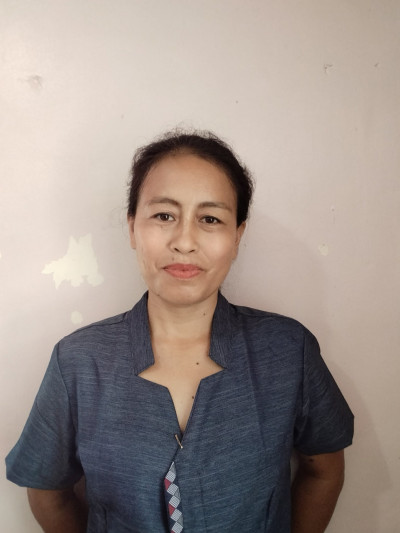
Details
Skills
Core Teaching & Child Development Skills
Age-appropriate lesson planning: Design simple, fun activities (storytime, counting games, art projects) that match 4–6-year-olds’ attention spans and abilities.
Early literacy & numeracy instruction: Teach letter recognition, phonics, sight words, counting, shapes, patterns, and basic addition/subtraction through play.
Child development knowledge: Understand how young children grow socially, emotionally, physically, and cognitively; spot typical milestones vs. areas needing extra support.
Play-based learning: Turn free play, songs, rhymes, and games into lessons (e.g., counting blocks, learning colors while painting).
Differentiated instruction: Adapt activities for different abilities—support advanced learners and give extra help to those who need it.
Social-Emotional & Classroom Management Skills
Building trust & rapport: Greet each child warmly; listen patiently; help them feel safe, loved, and valued.
Emotional guidance: Teach children to name feelings, share, take turns, resolve conflicts calmly, and practice kindness.
Positive discipline: Set clear, simple rules; use gentle redirection instead of punishment; reward good behavior with praise.
Classroom organization & routines: Establish consistent schedules (arrival, circle time, centers, snack, outdoor play); keep spaces safe, clean, and organized.
Safety awareness: Supervise constantly; enforce safety rules indoors and outdoors; handle minor injuries and know emergency procedures.
Communication & Interpersonal Skills
Clear, simple communication: Speak at children’s level; use short sentences, visual aids, gestures, and a calm tone.
Active listening: Give children full attention; validate their thoughts and questions to build confidence.
Parent-teacher communication: Share progress updates, daily notes, and concerns respectfully; hold conferences; suggest home activities.
Collaboration: Work smoothly with aides, co-teachers, specialists, and school staff.
Storytelling & public speaking: Engage a group with voice, expressions, and props to keep attention.
Creativity, Adaptability & Problem-Solving
Creative activity design: Use music, movement, drawing, crafts, puppetry, and nature to make learning fun.
Resourcefulness: Make teaching aids from everyday items; work well with limited supplies.
Flexibility: Adjust plans when children are tired, distracted, or curious about something new.
Quick problem-solving: Calmly handle tantrums, conflicts, accidents, or schedule changes.
Observation & Assessment Skills
Track progress: Observe and record how children learn, interact, and grow—not just with tests, but with notes, photos, and checklists.
Identify needs: Notice signs of developmental delays, learning differences, or emotional distress early.
Report accurately: Share honest, kind updates on strengths and areas for growth.
Practical / Daily Living Skills
Self-care support: Help children learn to dress themselves, wash hands, use the restroom, clean up, and pack bags.
Basic health & hygiene: Teach proper habits; monitor meals, rest, and health signs.
Patience & stamina: Stay calm, energetic, and focused all day while caring for a group of young children.
About
My name is Haidee C. Madelo, and I am a dedicated educator with 17 years of service
within the Department of Education in the Philippines. I am writing with great
enthusiasm to express my keen interest in the Elementary School Teacher position for
United States of America. My academic journey began with a Bachelor of Elementary
Education, which provided me with the foundational principles of pedagogy, child
development, and classroom management. To further specialize and enhance my
qualifications, I am now starting my journey to a Master's Degree in Education, which
deepened my understanding of curriculum design, educational leadership, and
advanced instructional strategies.
For the past 16 years as a Kindergarten and Grader Teacher at Antipolo Elementary
School, I have been deeply committed to fostering a nurturing, stimulating, and
inclusive learning environment where young children can thrive. My teaching
philosophy is rooted in the belief that the kindergarten year is foundational, not just for
academic readiness, but for instilling a lifelong love for learning.
Profile Photo
