Details
Skills
Subject expertise: Deep knowledge in their teaching area (e.g., Geography, Civic Education,
Curriculum planning: Ability to design lessons aligned with national standards and student needs.
Assessment skills: Creating tests, assignments, and projects to evaluate student progress.
Classroom Management Skills
Discipline strategies: Maintaining order while fostering respect and inclusivity.
Time management: Balancing lesson delivery, activities, and assessments effectively.
Conflict resolution: Handling disputes among students constructively.
Technology Integration Skills
Digital literacy: Using tools like Microsoft Teams, Google Classroom, or interactive whiteboards.
Educational technology: Incorporating apps, simulations, and multimedia into lessons.
Online teaching: Managing virtual classrooms and blended learning environments.
Interpersonal & Professional Skills
Communication: Clear, empathetic interaction with students, parents, and colleagues.
Adaptability: Adjusting to diverse student needs and changing educational policies.
Leadership: Guiding student clubs, sports, or cultural activities.
Counseling: Supporting students’ emotional and academic well-being.
Professional Development Skills
Continuous learning: Engaging in workshops, certifications, and lifelong learning.
Collaboration: Working with other teachers and administrators to improve school outcomes.
Research skills: Applying educational research to classroom practice.
About
Purpose: Provides education for students typically aged 12–18, preparing them for higher education or vocational paths.
Structure: Divided into lower and upper levels, with subjects ranging from core academics
Curriculum: Focuses on academic knowledge, personal development, and practical skills.
Facilities: Often includes classrooms, libraries, sports fields, and sometimes boarding facilities.
Student Life: Involves clubs, sports, cultural activities, and leadership opportunities.
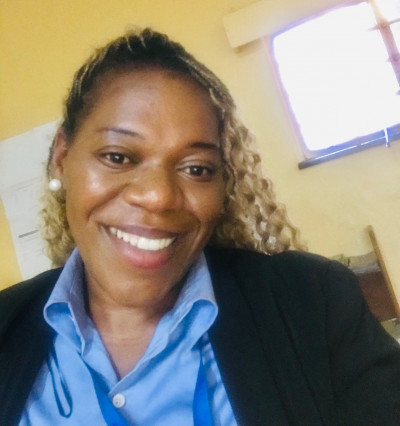
Profile Photo
